
Sustainable Food
Sustainable Food: Innovation, Ethics & Resilience in Focus
Explore how transparency, ethical sourcing, and eco-conscious innovation are shaping the sustainable food sector worldwide.
The sustainable food market is entering an exciting growth phase, climbing from $124.17 billion in 2024 to $170.35 billion by 2029 at a 6.6% CAGR. While North America and Europe continue to lead, Asia-Pacific is emerging as a powerful growth hub. Consumers are driving demand for plant-based proteins, organic and non-GMO foods, and ethically produced ingredients, with businesses investing in fresh solutions to stay ahead.
At FHA 2026, the Sustainable Food segment puts these innovations in the spotlight. From next-generation plant-based creations and regenerative farming models to intelligent packaging and upcycled solutions, the floor is packed with opportunities to discover. Attendees can meet pioneering suppliers, explore products designed for real-world impact, and gain practical insights into where sustainable food is headed next in this fast-growing global market.
Innovations & Opportunities in Sustainable Food
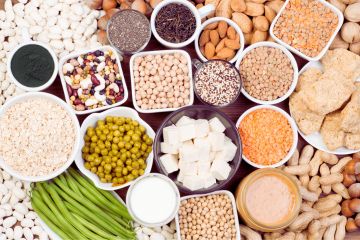
Plant-Based Proteins & Alternatives
Next-generation plant-based proteins, hybrid formulations, and fermentation-derived ingredients provide versatile, nutrient-rich options. These innovations offer scalable alternatives to conventional animal proteins, combining nutrition, taste, and operational efficiency for foodservice operators, distributors, and manufacturers.
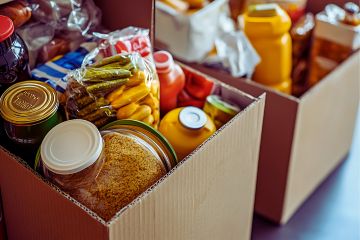
Organic, Non-GMO & Regenerative Ingredients
Ingredients sourced from organic and regenerative practices enhance soil health, biodiversity, and resource efficiency. These solutions support traceable, responsible production methods while maintaining high-quality outputs, positioning sustainable sourcing as a core operational advantage.

Upcycled & Waste-Reduction Solutions
Upcycled ingredients make use of food and beverage by-products, turning them into practical, value-added components. This reduces waste, improves resource efficiency, and supports circular economy goals. More producers are adopting this approach to cut costs, extend raw material usage, and respond to growing expectations for smarter sustainability practices.
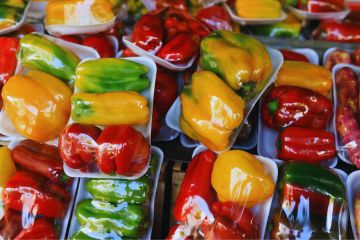
Intelligent Packaging & Supply-Chain Transparency
Smart, eco-friendly packaging paired with digital tracking systems enhances traceability while minimizing environmental impact. These innovations improve product handling, shelf-life management, and operational efficiency across complex distribution networks.
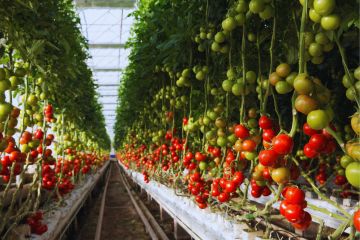
Vertical & Regenerative Farming Innovations
Urban vertical farms, hydroponics, and regenerative methods increase yield, water efficiency, and land use. These approaches support year-round production, reduce environmental footprint, and address food security challenges, offering scalable solutions for modern sustainable sourcing.
Source:
- Research and Markets , Environmental Friendly and Sustainable Food Market Report 2025
- Future Data Stats , Sustainable Food Market